What to know about fines for unsafe cleaning practices in Lambeth
If you are trying to understand what to know about fines for unsafe cleaning practices in Lambeth, you are probably dealing with one of two things: a worried business owner, or a resident who has seen cleaning go badly wrong. Either way, the concern is real. Unsafe cleaning can create slips, chemical exposure, fire risk, pest issues, damage to property, and complaints that may quickly become expensive. In Lambeth, as in the rest of London, the issue is not just "was it cleaned?" but "was it cleaned safely, legally, and responsibly?"
That is where a lot of people get caught out. A quick tidy-up might look fine for ten minutes, but if it leaves residues, blocks exits, uses the wrong products, or ignores basic risk control, the consequences can be bigger than expected. This guide walks through how fines and enforcement can arise, what typically counts as unsafe practice, and how to reduce risk in a practical, non-alarmist way. Let's face it, nobody wants a simple cleaning job turning into a formal complaint.
Why What to know about fines for unsafe cleaning practices in Lambeth Matters
Unsafe cleaning is not a tiny technical issue. In homes, offices, rented properties, shops, and communal spaces, poor cleaning practice can lead to very visible problems: wet floors, sharp chemical smells, blocked walkways, damaged surfaces, or contamination left behind after a job that was supposed to make things better. That's the awkward part. The job looks "done", but the risks are still sitting there.
In Lambeth, a densely populated part of London with busy homes, flats, offices, hospitality venues, and shared access areas, those risks can spread quickly. A hallway left slippery after mopping can affect multiple households. A strong chemical used without ventilation in a small flat can cause headaches or breathing irritation. A badly handled post-build clean can leave dust in the air and grit on the floor, which is exactly how avoidable accidents happen.
From an enforcement point of view, fines or penalties usually do not appear out of nowhere. They are more often linked to complaints, inspections, unsafe work environments, nuisance, or repeated failure to follow reasonable safety practices. That may involve the employer, contractor, landlord, managing agent, or the person carrying out the work, depending on the situation. The exact outcome varies, which is why it helps to think in terms of risk reduction rather than panic.
If you are hiring a provider, it is worth looking beyond price and asking the boring questions too: Do they have a clear health and safety policy? Do they explain what products they use? Do they manage insurance and safety properly? These are not glamorous questions, admittedly. But they matter when something goes wrong.
How What to know about fines for unsafe cleaning practices in Lambeth Works
There is no single "cleaning fine" menu. In reality, fines and enforcement can come from different directions depending on what happened. A local authority may act if a property becomes a nuisance or unsafe. A landlord or managing agent may raise issues if a tenancy is affected. An employer may face workplace health and safety consequences if staff are exposed to hazards. In more serious cases, there may be wider legal or insurance implications.
The trigger is usually some form of unsafe condition or conduct. That might include using chemicals without warning labels, mixing products, leaving wet floors unmarked, failing to ventilate a room, storing hazardous materials badly, ignoring personal protective equipment, or allowing cleaning waste to accumulate in a way that creates a hygiene issue. One mistake is often manageable. Repeated sloppiness is where trouble starts.
Think of it like this: if a cleaner mops a staircase in a block in the morning rush and leaves no warning sign, nobody may say much until somebody slips. Then it becomes a safety incident, and all the questions start. What product was used? Was the floor suitable for that treatment? Was anyone warned? Was the contractor trained? Suddenly, it is no longer "just a cleaning job".
For domestic settings, the risk is often smaller but still real. A bleach-heavy bathroom clean in a poorly ventilated flat can be unpleasant or unsafe. In a workplace, the stakes are usually higher because more people are affected and there may be clearer duties around maintenance, access, and safe systems of work. The same basic idea applies across the board: if a practice creates a foreseeable hazard, it may attract enforcement or a penalty.
Key Benefits and Practical Advantages
Safer cleaning practice is not only about avoiding punishment. That is the obvious bit. The quieter benefit is that it makes daily life and work smoother, calmer, and cheaper in the long run.
- Fewer complaints: Clear processes reduce the chance of residents, tenants, staff, or customers raising concerns.
- Lower accident risk: Slips, trips, and irritation from chemicals are much less likely when jobs are planned properly.
- Better finish: A safe clean is often a better clean because the method suits the surface.
- Less damage: The wrong product on a floor, sofa, carpet, or oven can ruin a surface fast.
- Stronger trust: People notice when a cleaning company explains its process plainly and behaves carefully.
There is also a commercial upside. A business that takes safety seriously tends to look more reliable to clients. If you run a property or manage a team, that matters. If you are a customer, it means fewer awkward surprises and a better chance that the job is done right the first time.
Expert summary: In practice, fines for unsafe cleaning are usually avoidable. The best protection is not a clever excuse after the fact, but a routine: risk check, right product, right method, right ventilation, right documentation. Plain and simple.
Who This Is For and When It Makes Sense
This topic is relevant to more people than you might think. It is not only for commercial cleaners or facilities teams. In Lambeth, the day-to-day reality includes landlords, tenants, homeowners, office managers, shop owners, builders, housing associations, letting agents, and family members trying to keep a place tidy without causing a fuss.
You should pay close attention if you:
- manage a rental property or HMO and need a clean handover
- run an office, clinic, studio, or retail space where staff and visitors are present
- booked an end of tenancy cleaning service and want to avoid disputes
- need after builders cleaning after dust, debris, and surface residue
- are comparing a professional cleaning company with an individual contractor
- have vulnerable occupants, children, pets, or allergy concerns in the property
It also makes sense if you are the person actually doing the cleaning. A lone worker can easily miss a small issue that later becomes a big one. That is just how it goes sometimes. You are busy, the clock is ticking, and suddenly the mop bucket is in the way of the only exit route. Not ideal.
Step-by-Step Guidance
If you want to stay on the safe side, use a simple step-by-step approach. It does not need to be fancy.
- Identify the setting. A domestic kitchen, a shared stairwell, an office reception, and a post-renovation flat all need different handling.
- Check the surface and the risk. Stone, wood, tile, carpet, upholstery, ovens, and windows each have their own product and method requirements.
- Choose products carefully. Read labels. Keep chemicals in original containers where possible. Avoid mixing products unless the instructions explicitly allow it.
- Ventilate the space. Open windows where safe, especially in smaller rooms or after using stronger products.
- Control slip hazards. Use warning signs, dry as you go, and keep access routes clear.
- Protect people and belongings. Move fragile items, isolate pets, and keep children away from damp or treated areas.
- Dispose of waste properly. Do not leave dirty water, sharps, broken fittings, or contaminated cloths lying around.
- Document the job where needed. For landlords, offices, or multi-unit buildings, a simple note of what was cleaned and how can help later.
If a task feels borderline, pause and reassess. That is often the smartest move. For example, if you are dealing with mould, biohazard contamination, or heavy dust after construction, regular domestic cleaning methods may not be enough. In those cases, specialist help is usually a better option than improvising and hoping for the best.
For example, a landlord preparing a flat for a new tenant might choose a deep cleaning service rather than a quick wipe-down because the risk is not just dirt; it is hidden residue, odour, and missed corners. That sort of decision can prevent complaints later. And yes, complaints have a habit of arriving at the least convenient moment.
Expert Tips for Better Results
Here are the practical habits that make the biggest difference. Nothing dramatic. Just the stuff that consistently works.
- Test before treating. On carpets, upholstery, and soft furnishings, always test a small area first. A product that looks harmless can still lift dye or leave a ring.
- Use the least aggressive method that works. Stronger chemicals are not automatically better. Often they are just riskier.
- Think about airflow. A room can look spotless and still be unpleasant if it smells like chemicals or feels damp and closed-in.
- Separate tasks. Vacuum first, dust next, wet clean after. It sounds obvious, but people mix the order up all the time.
- Keep cables, hoses, and tools tidy. Trip hazards are one of the easiest things to avoid and one of the easiest things to forget.
- Know when specialist equipment helps. A proper oven cleaning job, for instance, is much safer when grease, heat residue, and harsh degreasers are handled with the right process.
One small but important tip: do not treat "looks clean" and "is safe" as the same thing. They are cousins, not twins. A shiny surface can still be slippery. A fresh smell can still hide overuse of fragranced products. It is a bit annoying, but that is the reality.
Common Mistakes to Avoid
Most unsafe cleaning issues are not caused by rare disasters. They are caused by ordinary, repeatable mistakes.
- Mixing products: This is the big one. Never combine chemicals unless you are certain it is safe.
- Skipping warning signs: Wet floor signs are not decoration.
- Blocking exits: Waste bags, equipment, and vacuum cables should never narrow escape routes.
- Using the wrong tool on the wrong surface: Rough pads, excess water, or strong solvents can damage floors, fabrics, and fixtures.
- Ignoring ventilation: Particularly in bathrooms, utility rooms, and small offices.
- Over-wetting carpets or upholstery: This can lead to smell, mould risk, and staining.
- Leaving hazards for "later": Later has a funny way of becoming tomorrow, then next week.
Another common problem is poor communication. If you hire a cleaner, tell them about pet areas, known spills, fragile fittings, access issues, or recently painted surfaces. If you are the cleaner, ask. It feels a little pedantic in the moment, but those small questions often prevent the big headaches.
For shared properties, a lack of coordination can be enough to create an issue. For instance, a corridor in a block may be cleaned right before residents return home, without enough time to dry. Then somebody slips in socks. Not good. Not clever. Totally avoidable.
Tools, Resources and Recommendations
You do not need a giant toolkit to clean safely, but you do need the right basics. The following items and habits make a proper difference:
- Labelled cleaning products with clear instructions
- Microfibre cloths for controlled dust and surface cleaning
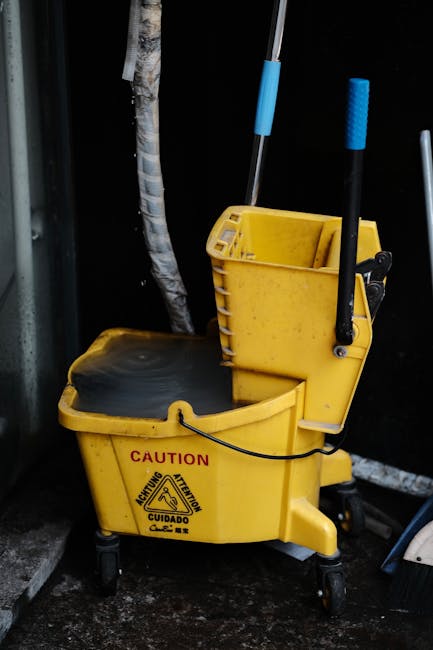
- Mops and buckets that are clean, separated by area, and not overloaded with water
- Non-slip signs for entrances, corridors, stairwells, and bathrooms
- Gloves and suitable PPE where chemicals or contaminated areas are involved
- Ventilation checks for rooms where fumes, steam, or moisture build up
For people looking for a provider, it helps to review practical service pages rather than just price lists. If you need regular home support, look at domestic cleaning or house cleaning. For commercial settings, office cleaning and office cleaners are more relevant because the safety demands are different.
For heavier jobs, a specialist approach is often better. A carpet cleaning appointment, for example, is usually the safer route than using too much water and hoping the carpet dries by magic. Spoiler: it rarely does. The same logic applies to window cleaning, upholstery cleaning, and hard floor cleaning, where surface-specific methods matter a lot.
If you want to understand how a company handles trust, accountability, and incident handling, it is also sensible to look at their terms and conditions, insurance and safety, and complaints procedure. Those pages tell you far more than a glossy homepage ever will.
Law, Compliance, Standards, or Best Practice
For this topic, the safest way to think about compliance is in layers. There is the law, there are local enforcement expectations, and there is basic best practice. They overlap, but they are not identical.
In the UK, cleaning work can touch health and safety duties, property management responsibilities, tenancy obligations, and general negligence principles. That means unsafe practice can matter even if nobody is injured on the spot. If a cleaner creates a foreseeable risk, a landlord ignores a hygiene problem, or a business leaves a hazard in a public area, the consequences can include complaints, civil claims, loss of insurance support, or formal action depending on the facts.
Best practice usually includes:
- risk assessing the task before starting
- using products according to label instructions
- keeping work areas tidy and accessible
- ventilating when using chemical products
- separating clean and dirty materials
- training staff on safe use of equipment and chemicals
- recording incidents and near-misses so the same mistake is not repeated
There is also a common-sense point that gets overlooked: if a job feels too risky for your tools or knowledge, do not bluff it. That is how simple issues turn into bigger ones. Better to stop, ask, and bring in a better-suited method than to force through a questionable clean just to tick a box.
If you are choosing a provider, a company that explains its working methods clearly is usually a better sign than one promising everything instantly. A bit of caution is healthy. Truth be told, that usually saves money.
Options, Methods, or Comparison Table
Not every cleaning job needs the same approach. Here is a simple comparison that may help you decide whether a quick clean, a routine service, or a specialist job makes the most sense.
| Option | Best for | Safety risk level | Typical watch-outs |
|---|---|---|---|
| Routine domestic clean | Weekly maintenance in homes and flats | Low to moderate | Over-wetting, chemical overuse, missed ventilation |
| Deep clean | Built-up dirt, neglected areas, move-in/move-out prep | Moderate | Longer dwell time for products, hidden grime, access issues |
| Specialist surface cleaning | Carpets, upholstery, ovens, hard floors, windows | Moderate to higher | Wrong product selection, surface damage, drying problems |
| Post-build or heavy-duty clean | Dust, debris, residue after works | Higher | Particulate exposure, trip hazards, hidden sharp waste |
The point of the table is not to scare you off. It is simply to show that the cleaner the task looks on the surface, the more likely people are to underestimate the method. That mismatch is where a lot of avoidable issues begin.
Case Study or Real-World Example
Here is a realistic example based on the kind of job people in Lambeth often face.
A small rented flat had just been vacated after a long tenancy. The landlord wanted the place cleaned quickly because a viewing was booked for the next day. In a rush, someone used a strong all-purpose cleaner in the kitchen, too much spray in the bathroom, and a lot of water on the hallway floor. The place looked better for about twenty minutes. Then the smell lingered, the floor stayed slightly slick, and the kitchen surfaces had a faint residue that could be felt under the hand.
Nothing dramatic happened immediately. But the next tenant complained about the odour, the cleaner had to be called back, and the hallway issue created an unnecessary risk in a shared building. That job could have gone very differently with a bit more care: proper ventilation, surface-specific products, dry mopping in the hallway, and a final safety check before leaving.
Now compare that with a more careful approach. The cleaner walks through the property first, notes where the surfaces are delicate, opens windows where appropriate, keeps the entrance clear, and works from clean areas toward dirtier ones. It takes a little longer. Not much, but enough. The end result is safer, better, and less likely to trigger complaints or disputes. That is the whole game really.
Practical Checklist
Use this quick checklist before, during, or after a cleaning job:
- Have I identified any slip, trip, chemical, or ventilation risks?
- Am I using the right product for the right surface?
- Are warning signs or barriers needed?
- Are windows open or vents clear where it is safe to do so?
- Have I kept exits, stairs, and shared routes unobstructed?
- Have I checked for pets, children, or vulnerable people nearby?
- Have I avoided mixing chemicals or overusing sprays?
- Is there any area that should be left for a specialist instead?
- Have I documented anything unusual, damaged, or potentially risky?
- Is the area fully safe to use before I leave it?
If you can tick those off, you are already ahead of many people. Simple as that.
Get a free quote today and see how much you can save.
Conclusion
The main thing to understand about fines for unsafe cleaning practices in Lambeth is that the risk usually starts long before any fine appears. It begins with poor planning, weak communication, the wrong product, or a small safety oversight that never gets corrected. The good news is that most of it is manageable. With sensible routines, proper ventilation, careful product use, and a little professional judgement, you can reduce risk dramatically.
If you are a homeowner, tenant, landlord, or business owner, the safest path is usually the least dramatic one: choose the right service, ask a few direct questions, and make sure the job is treated as a safety task as well as a cleaning task. That mindset saves trouble. And in a busy place like Lambeth, saving trouble is no small thing.
When in doubt, slow down a touch. A careful clean is almost always the better clean, and it tends to leave everyone breathing easier.
Frequently Asked Questions
Can you actually be fined for unsafe cleaning in Lambeth?
Yes, unsafe cleaning can lead to fines or other enforcement outcomes depending on the circumstances. It usually depends on the hazard created, who was responsible, and whether the issue caused a complaint, inspection concern, or incident.
What counts as unsafe cleaning practice?
Common examples include mixing chemicals, leaving floors wet without warning, blocking exits, using the wrong product on a surface, failing to ventilate, or ignoring hygiene risks in shared spaces.
Are homeowners treated the same as businesses?
Not usually in the same way, but homeowners can still face problems if their cleaning creates a dangerous condition or nuisance. Businesses tend to have stronger duties because more people are affected and workplace safety rules can apply.
Do I need a professional cleaner to stay compliant?
Not always. Many domestic jobs can be handled safely by residents. But if the job involves height, heavy soil, specialist chemicals, or significant risk, professional help is often the safer choice.
What is the biggest mistake people make with cleaning chemicals?
Mixing products or using too much of them. That can create fumes, residue, surface damage, or health irritation. More product is not the same as better cleaning. Usually it is just messier.
How can I reduce slip risks after cleaning?
Dry floors properly, use warning signs where needed, keep people out of the area until it is safe, and avoid flooding surfaces with water. It sounds basic because it is basic, and basic is good here.
Does end of tenancy cleaning create fines if done badly?
It can lead to deductions, complaints, or a need to redo the work if the clean is not safe or not completed properly. The exact outcome depends on the tenancy, the condition of the property, and the agreement in place.
What should I check before hiring a cleaning company in Lambeth?
Look for clear safety information, sensible terms, insurance and safety details, a complaints procedure, and transparent pricing. The goal is not just a low quote. It is a clean result without hassle.
Is a deep clean safer than a regular clean?
Not automatically. A deep clean can be safer when it is planned properly, but it may also involve stronger products, more effort, and more risk if handled badly. The method matters more than the label.
What if a cleaner damages a floor or surface?
Report it quickly, take photos, and check the company's terms and insurance information. Damage does not always mean negligence, but it should be addressed promptly and clearly.
Are there special risks with office cleaning?
Yes. Offices often have shared walkways, electrical equipment, reception areas, kitchens, and busy work schedules. That means timing, signs, cord management, and ventilation become especially important.
How do I know if a task needs a specialist service?
If the job involves heavy grease, embedded dirt, delicate fabric, post-build dust, height, or any contamination concern, specialist help is usually worth considering. A normal clean may not be enough, and that is fine.
What is the most practical first step if I am worried about safety?
Pause and assess the area before starting. Check the products, the surfaces, the people nearby, and the access routes. A sixty-second check can prevent a costly mistake. Honestly, it is one of the easiest habits to build.